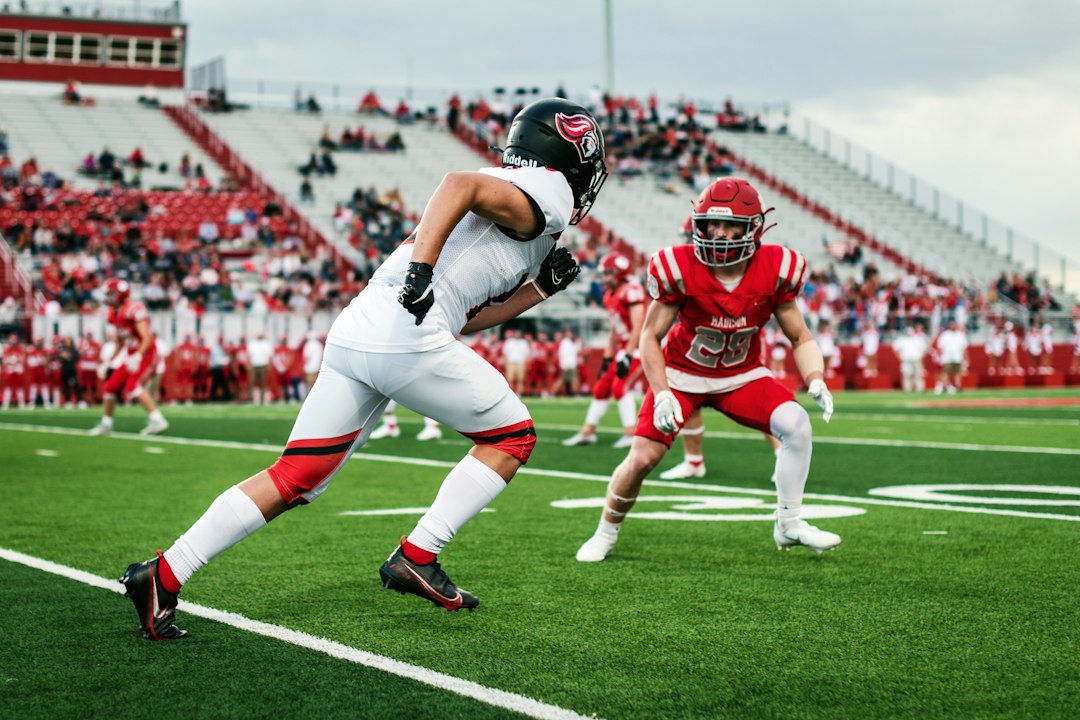
Fixture congestion is one of the most consequential yet underappreciated forces in modern football. When clubs are required to play multiple matches across a compressed period — sometimes with only 48 to 72 hours of recovery between games — the physical and tactical consequences ripple through results, squad selection, and season trajectories in ways that are clearly visible in the data.
Table of Contents
What Fixture Congestion Actually Means
Fixture congestion occurs when a club accumulates a backlog of matches, typically caused by cup runs, international breaks, postponements, or participation in multiple competitions simultaneously. A side competing in the Premier League, FA Cup, League Cup, and European competition can face 60 or more matches in a single season.
For context, UEFA’s own research published in 2022 found that players in the busiest clubs were covering over 60,000 minutes of competitive football annually across squads. The same report highlighted that clubs playing more than 50 games in a season saw a statistically meaningful rise in soft-tissue injuries during the second half of that season compared to clubs with lighter schedules.
The fundamental issue is biological. Muscles need time to repair after intense exertion. When that window is shortened, performance markers — sprint frequency, high-intensity runs, pressing intensity — decline. The drop is not always dramatic in a single match, but it compounds over weeks.
Injury Rates and Squad Depth Under Pressure
One of the clearest signals of congestion’s impact is the injury chart. During the 2021-22 Premier League season, clubs involved in European competition reported injury counts averaging 15 to 20 percent higher than clubs competing only domestically. Manchester United, Liverpool, and Chelsea — all navigating congested schedules during that period — each dealt with significant muscular injury waves between November and February, coinciding with their densest fixture sequences.
The 2022-23 season offered a sharper study. The mid-season break for the FIFA World Cup in November disrupted the usual rhythm. Clubs that had played the most matches before the break — including those deep in League Cup and Europa League group stages — returned from the break with more injury concerns than sides who had lighter autumn schedules. Liverpool, navigating an already difficult period, saw their pressing metrics drop measurably in matches played with fewer than four days’ rest between fixtures.
The Role of Squad Depth
A side with 25 players capable of contributing at a high level absorbs congestion differently from a club relying on 14 or 15 regulars. This distinction shapes not just results but tactics. A manager forced to rotate risks tactical inconsistency. A manager who refuses to rotate risks physical deterioration in key players.
Historically, clubs with greater squad depth — Arsenal during their 2003-04 campaign and Chelsea between 2004 and 2006 under Mourinho — could maintain form through congested periods. Conversely, Burnley under Sean Dyche during their 2017-18 Europa League campaign showed the other extreme: a relatively thin squad visibly fatigued by Christmas, with league form deteriorating sharply after a strong start.
Tactical Changes Managers Make During Congestion
Fixture congestion forces tactical adaptation. The most common response is a shift toward more defensive structure — lower defensive lines, reduced pressing intensity, and an emphasis on compact shape rather than high-tempo control. This is essentially a form of energy conservation applied across a squad.
Data from Opta across the 2019-20 and 2020-21 seasons — the latter played in a compressed format following the pandemic restart — showed that the average number of high-intensity sprints per match dropped by approximately 8 percent in the final quarter of seasons compared to the opening quarter. This decline was steeper for clubs with heavier fixture loads.
Teams also tend to shift toward more direct play during congested periods. Shorter recovery time reduces the capacity for intricate training sessions, which limits the complexity of patterns a squad can reliably execute. The result is simpler, more direct football with less positional interchangeability.
How This Affects Match Outcomes
Research published in the Journal of Sports Sciences examined matches in the Premier League where one side had three or fewer days of rest compared to the other side’s five or more days. The data, covering several seasons, found the well-rested side converted at a noticeably higher rate and conceded fewer goals in the final 20 minutes of matches — the period most sensitive to fatigue.
This suggests that late-match goal patterns, which are often dismissed as random, may in fact partially reflect physical state rather than pure momentum or chance.
Congestion Across Different Leagues and Competitions
The effects of congestion are not uniform across European football. The Bundesliga’s winter break gives German clubs a genuine recovery window, which research suggests helps sustain physical output into the second half of the season. La Liga’s calendar structure similarly provides periodic rest that the Premier League and Serie A schedules have historically been less consistent in offering.
Championship clubs in England face a particularly demanding schedule by design — 46 league matches alone, often with little rotation due to squad size. The drop-off in goals scored and pressing metrics for Championship sides between January and March is a consistent seasonal trend observed across multiple campaigns.
In European competition, the introduction of the expanded Champions League format from 2024-25 — with eight group-stage matches instead of six — adds further pressure on clubs already managing full domestic programmes. The long-term effects of this expansion on injury rates and performance consistency will take several seasons to fully observe.
Reading Congestion in Predictions and Analysis
Understanding fixture scheduling is a meaningful part of football analysis. When assessing a match, it is worth examining how many days of rest each side has had, what competitions they have recently played in, and what the upcoming schedule looks like — since managers sometimes rotate with an eye toward an important fixture days ahead.
A side that played a physically demanding cup replay three days before a league match, against a side that has had a full week of preparation, is operating under different conditions. This does not determine the result, but it is relevant context for understanding how the match might unfold tactically and physically.
Fixture congestion is one of the game’s quieter influencing factors. Its effects accumulate slowly, show up in injury charts and pressing statistics, and shape how managers make decisions across a season.
Frequently Asked Questions
Does fixture congestion always lead to poorer results?
Not necessarily. Some squads manage congested periods without obvious results decline, often because of depth and rotation quality. However, over a full season, the statistical trend shows that injury rates increase and certain performance metrics drop for heavily congested clubs.
Which positions are most affected by fixture congestion?
High-energy positions — central midfielders, fullbacks, and forwards who press intensely — tend to show the clearest physical decline. These players cover the most ground per match and have the least margin for incomplete recovery.
How do managers typically communicate about congestion publicly?
Managers often reference fixture scheduling when discussing rotation or unexpected selections. Comments about player load, fatigue, or the need to protect certain individuals are frequently indirect references to congestion management.
Does the number of away matches during a congested period matter?
Yes. Away travel adds logistical fatigue on top of physical exertion. Studies have noted that clubs with a higher proportion of away fixtures during their busiest periods tend to show slightly greater performance drops than those playing more home matches in the same window.
Predictions are opinions based on analysis, and no result is guaranteed. This website is for adults aged 18+ and is for information and entertainment only.
See the daily football predictions on the homepage.